

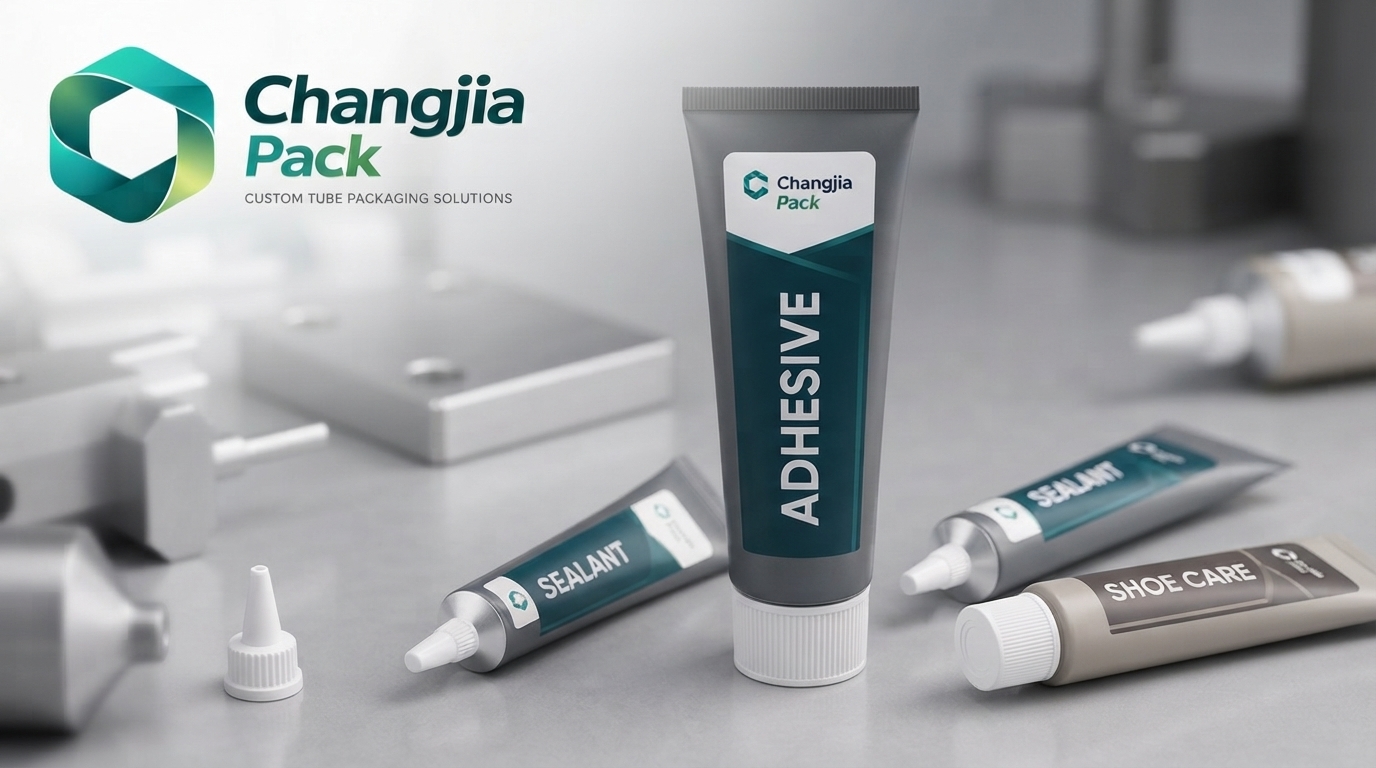
Industrial and specialty chemicals require durable, chemically stable, and highly functional packaging. High-viscosity formulations such as polyurethane sealants, silicone adhesives, lithium greases, and shoe polishes pose unique challenges to plastic squeeze tubes. Unlike cosmetic or personal care products, industrial compounds can aggressively interact with raw plastics, degrade weak barriers, or cause premature curing. Furthermore, precise application and clean dispensing are critical for professional and DIY end-users. This article examines the core engineering principles of industrial squeeze tubes, including barrier technology, dispensing nozzles, robust tail sealing, and contamination-resistant exterior surfaces.
Chemical Resistance and Advanced Barrier Structures
High-viscosity industrial formulations often contain aggressive solvents, oils, and chemical compounds that can penetrate standard polyethylene monolayer tubes. To maintain product shelf-life and prevent tube deformation such as paneling or collapse, multi-layer co-extruded structures are essential.
- Multi-layer co-extrusion incorporates high-barrier materials like EVOH to block oxygen ingress and solvent egress, protecting products like the D35 100ml Olive Grease Silk Screen Industrial Tube from oxidation.
- Aluminum Barrier Laminates provide the highest barrier properties, making them ideal for highly volatile adhesives and moisture-sensitive sealants.
- Proper material selection prevents volatile solvents from evaporating, keeping adhesives workable and preventing premature curing within the tube body.
Dispensing Nozzles and Flow Control for High Viscosity
Squeezing high-viscosity pastes requires specialized dispensing mechanisms to prevent clogging and ensure precise application without waste.
- Pointed nozzle tips, featured on the D30 80ml Orange Adhesive Nozzle Offset Industrial Tube, allow users to apply precise beads of adhesive directly into narrow joints.
- Wide-aperture flip caps, such as the design of the D40 120ml Red Sealant Flip Cap Offset Industrial Tube, accommodate thicker pastes and sealants, offering quick single-handed access during heavy-duty tasks.
- Nozzle length and diameter must be balanced with the viscosity of the formulation to control the extrusion rate and prevent user fatigue during application.
Robust Tail Sealing and Hang-Hole Geometry
Industrial environments subject packaging to high pressure during squeezing, necessitating exceptionally strong end seals to prevent blowouts.
- High-frequency and thermal ultrasonic sealing methods create robust bonds that can withstand the high squeeze pressure required to extrude thick bonding pastes.
- Triangle and Euro-style hang-tails, as seen in the D50 220ml Grease A Type Hang Tail Triangle Industrial Tube and the D40 150ml Blue Lube Oil Wide Hang Tail Euro Industrial Tube, provide heavy-duty retail and workshop display options.
- Wide hang-tails, such as the D50 200ml Bonding Paste Wide Hang Tail Inverted Triangle Industrial Tube, spread mechanical stress evenly across the sealed area.
Surface Treatment and Contamination Resistance
Industrial settings are filled with dust, grease, and chemicals. The tube's surface must remain legible and handleable even under dirty conditions.
- High-durability coatings shield printed graphics from chemical attack and physical abrasion.
- Proteving varnishes prevent solvent-based formulations from dissolving the exterior brand information, ensuring the D45 150ml Yellow Tool Care Silk Screen Industrial Tube remains clean and recognizable.
- Matte and gloss surface textures can be customized to offer better grip when handled by users wearing thick work gloves.
Buyer checklist
- Verify chemical compatibility between your formulation and the tube inner layer.
- Choose the correct barrier layer based on oxygen and moisture sensitivity.
- Select an appropriate nozzle diameter based on product viscosity to minimize user squeezing effort.
- Ensure the selected tail seal design supports hang-hole requirements for pegboard retail display.
- Specify chemical-resistant varnishes to protect exterior print and brand graphics from solvent contact.
- Confirm filling equipment compatibility, particularly for hot-filling or vacuum-sealing requirements.
- Standardize tube dimensions to optimize shipping carton volumes and reduce material waste.
Frequently asked questions
Why is EVOH critical in industrial squeeze tubes?
EVOH acts as an excellent barrier against oxygen and solvents, preventing chemical evaporation and preserving the chemical balance of adhesives and sealants.
How do pointed nozzle designs benefit adhesive applications?
Pointed nozzles allow precise, narrow application of adhesives to tight joints, reducing product waste and keeping the surrounding working surface clean.
Can standard cosmetic tube seals handle heavy-duty industrial greases?
No, industrial grease and high-viscosity sealants require reinforced ultrasonic or high-temperature thermal tail seals to withstand high extrusion pressure without rupture.
What is the benefit of a wide hang-tail on industrial tubes?
A wide hang-tail, such as a triangle or Euro-slot, allows tubes to be hung on display racks in workshops and hardware stores, while distributing the hanging weight without stressing the seal.