



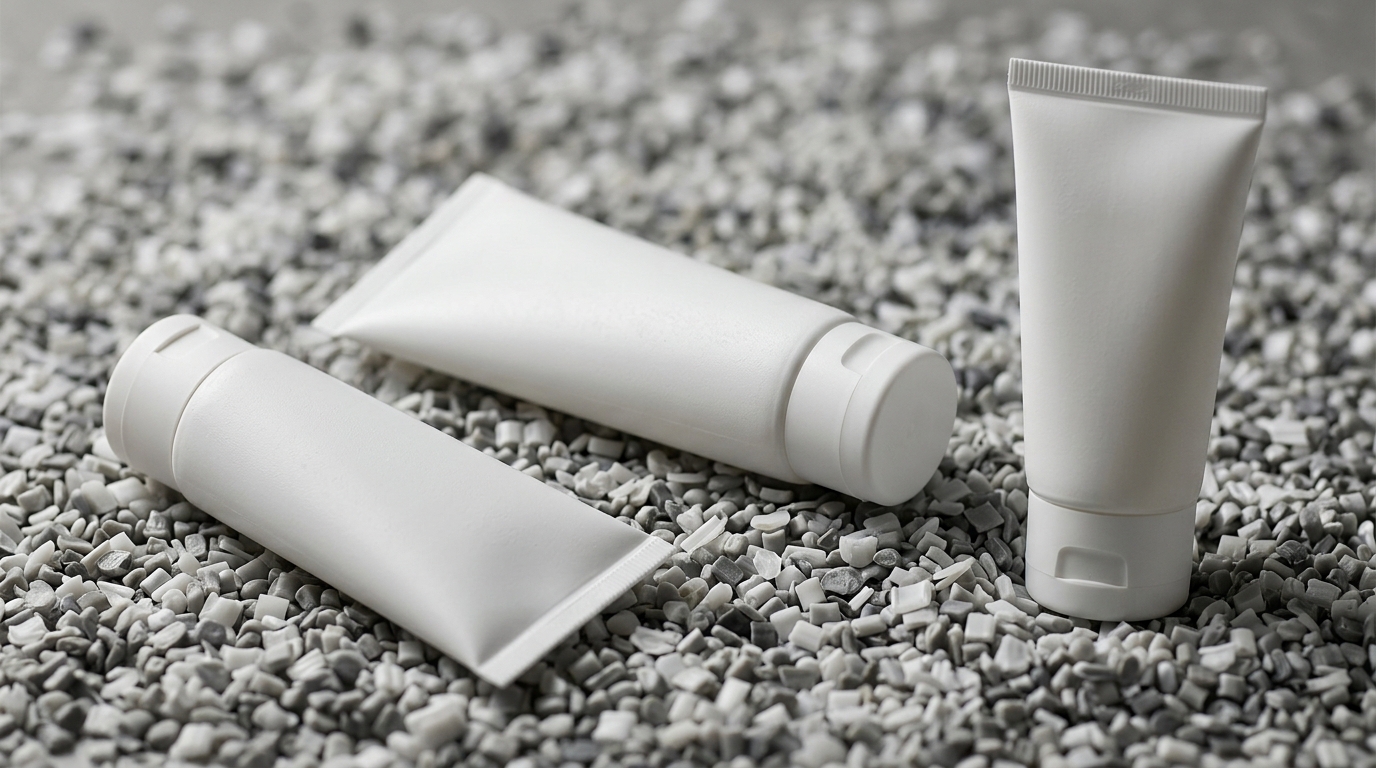
# Overcoming Technical Barriers in Recyclable Oral Care Tubes: Lessons from Mono-Material Design
For decades, the oral care and personal care packaging sectors depended heavily on multi-layer aluminum barrier laminate (ABL) structures. While aluminum foil offered exceptional barrier protection against moisture, light, and oxygen—essential for preserving volatile active ingredients and flavor compounds—it created a major sustainability challenge. Multi-layer foil tubes could not be mechanically separated during post-consumer waste processing, forcing hundreds of millions of toothpaste tubes annually into landfills or incinerators.
In a podcast hosted by the Association of Plastic Recyclers (APR), Dr. Jun Wang, Director of Packaging Innovation at Colgate-Palmolive, shared details regarding the company's multi-year development of a fully recyclable mono-material toothpaste tube. This technical breakthrough received APR Design® Recognition and earned the APR Design Innovation Award, signaling a fundamental shift toward integrating squeeze tubes into existing rigid high-density polyethylene (HDPE) recycling infrastructure S1.
The Technical Engineering Challenge: Replicating ABL Performance with HDPE
Transitioning from traditional ABL constructions to recyclable plastic tubes required solving complex polymer physics and manufacturing constraints. Toothpaste packaging must satisfy demanding functional criteria:
- Barrier Integrity: Protecting sensitive formulations from degradation without dense metallic layers.
- Squeeze and Elastic Memory: Providing smooth dispensing while preventing body cracking or delamination over repeated squeezes.
- Rigidity and Machine Processing: Maintaining column strength for high-speed filling, sealing, and shelf stability.
To achieve recyclability in standard #2 plastic recovery streams, the package body, shoulder, and cap must align with rigid HDPE processing requirements. In the featured APR interview, Dr. Wang outlined how Colgate-Palmolive re-engineered the tube sleeve using multiple layers of varying PE grades, incorporating thin ethylene vinyl alcohol (EVOH) barrier layers that meet APR strict tolerance thresholds for recyclability without impairing mechanical reprocessing S1.
By optimizing polymer density and orientation during extrusion, the engineering team matched the tactile feel, dead-fold behavior, and barrier performance of conventional laminated tubes while maintaining full compatibility with municipal HDPE bottle sorting and recycling streams S1.
Open Innovation: Accelerating Industry-Wide Sustainability Transition
A pivotal aspect of this packaging milestone was the decision to share the underlying patents and technical specifications publicly. Rather than maintaining the recyclable tube architecture as a proprietary commercial secret, Colgate-Palmolive made the design accessible to competitor brands and tube packaging manufacturers globally S1.
For packaging procurement officers and product managers, this open-source approach generated immediate market advantages:
- Streamlined Material Supply: Standardizing mono-material HDPE film structures encouraged resin suppliers and film converters to produce standardized recyclable laminates at scale.
- Machinery and Tooling Compatibility: Tube filling line operators could adapt existing sealing and crimping equipment without requiring total capital expenditure reinvestment.
- Unified Recycling Communication: Clear alignment under APR guidelines simplified consumer messaging, transforming how municipal recycling facilities view squeeze tube acceptability.
As noted during the APR broadcast, sharing design innovations across competitive boundaries proved vital for driving systemic change, ensuring that sustainable packaging moves from a niche brand proposition to a baseline industry standard S1.
Procurement Roadmap for Packaging Buyers: Transitioning to Recyclable Tubes
For brand managers and buyers evaluating mono-material packaging options for cosmetics, pharmaceutical gels, and oral care products, several manufacturing parameters must be addressed during supplier selection:
1. Resin Blend and Barrier Selection
When specifying polyethylene (PE) tubes, determining the exact chemical sensitivity of the product formula is critical. Active botanical extracts, fluoride gels, and essential oils require tailored EVOH barrier thickness. High-barrier plastic barrier laminates (PBL) or co-extruded PE tubes must balance EVOH percentage to stay below recyclability threshold limits (typically under 5% total package weight).
2. Shoulder and Closure Material Matching
A common pitfall in tube recyclability is mixing incompatible resins across components. Welded tube shoulders and screw or flip-top caps should utilize compatible polyolefin resins—predominantly HDPE or Polypropylene (PP)—that do not contaminate the target reclaim stream. Matching the density profile ensures the entire container processes uniformly during flotation and pelletizing steps.
3. Decorative Finishes and Inks
Decoration choices directly impact Near-Infrared (NIR) sorting accuracy at recovery facilities. Heavy metallic hot-stamping, dark carbon black inks, or full-coverage non-recyclable lacquers can cause sorting equipment to misidentify HDPE tubes. Utilizing water-based flexographic or offset printing with compatible protective varnishes ensures vibrant shelf aesthetics without compromising sorting efficiency.
4. Filling Line Sealing Adjustments
Mono-material PE structures exhibit different thermal transfer properties compared to aluminum-foil laminates. Packaging engineers must recalibrate hot-air or ultrasonic tube sealing jaws to ensure tight, leak-proof tail seals without burning or weakening the PE material layers.
Technical Capability and Collaborative OEM Manufacturing
As custom tube manufacturers advance their production lines, partnering with experienced packaging suppliers allows brand owners to navigate the transition seamlessly. Modern extrusion, lamination, and precision injection molding lines enable the production of mono-material PE tubes, PCR-integrated squeezable containers, and high-barrier PBL solutions tailored to diverse viscosity requirements.
By combining rigorous material selection, precision decorating, and adherence to international recyclability guidelines, tube suppliers help brand owners deliver sustainable, eye-catching, and high-performing packaging that satisfies both regulatory demands and consumer expectations.
Related products and guides
- D25 30ml Oral Gel Blue White Silver Personal Care Tube
- D25 30ml Oral Gel Gloss Offset Personal Care Tube
- D25 30ml Travel Oral Gel Screw Cap Offset Personal Care Tube
- Personal Care Tubes